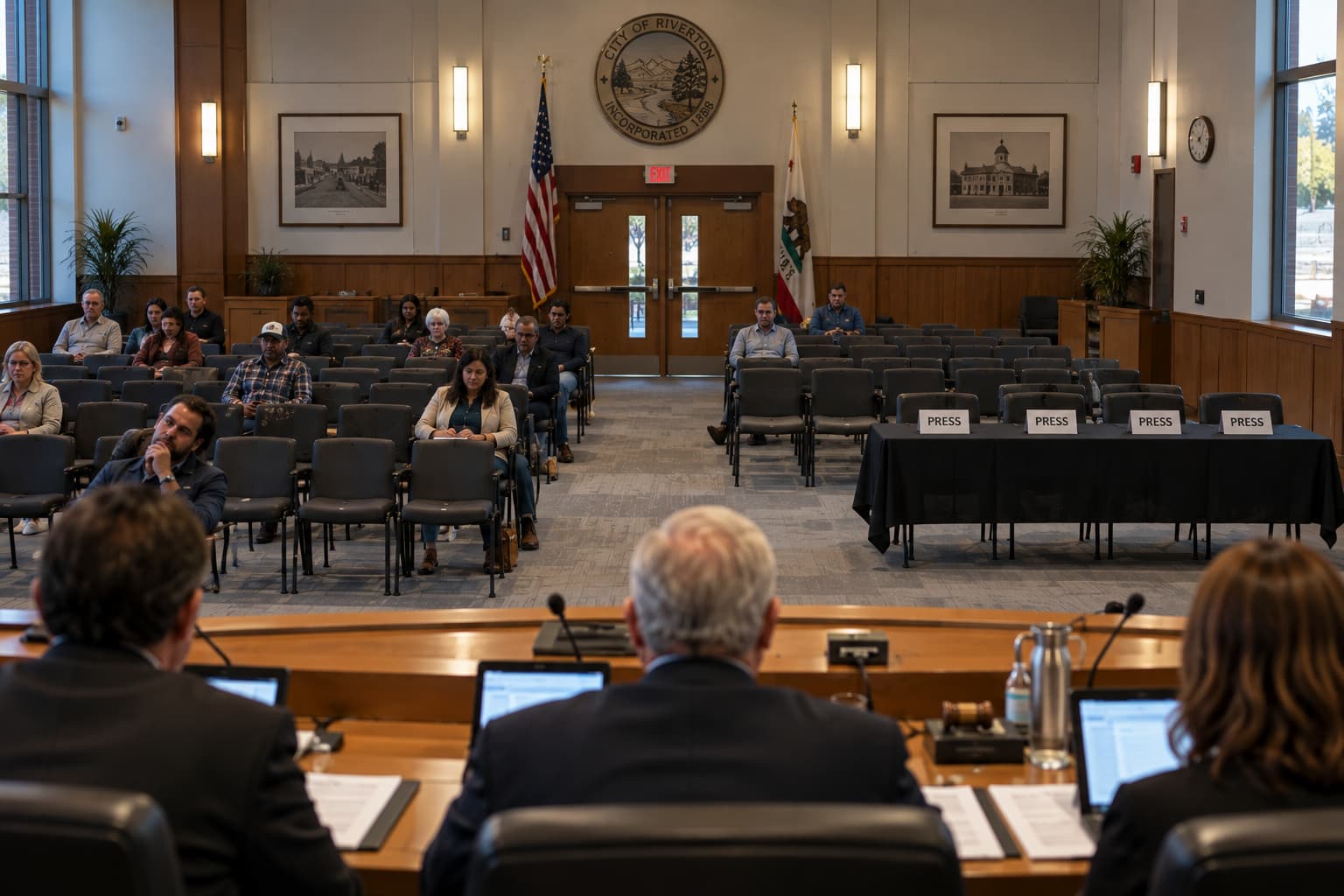
A town council approves a road construction contract, the school district considers closing a building, and county officials discuss a new property tax. The meetings are public, the documents are available, and the decisions affect thousands of residents. But nobody from the local newspaper is there to ask questions. The newsroom closed months earlier, leaving the community without a journalist regularly following its government.
This situation is becoming increasingly common across the United States. The disappearance of local newspapers creates what researchers call news deserts, places where independent reporting about public affairs is difficult or impossible to find. The consequences extend beyond losing a familiar publication. They affect how communities understand political decisions, monitor public spending and hold elected officials accountable.
The Growing Number of Communities Without Local News
Northwestern University’s 2026 State of Local News report identified 238 American counties without a locally based source of professional news. Another 1,400 counties had only one remaining outlet, often a small weekly newspaper. Altogether, approximately 47 million Americans live in counties with limited or no access to reliable local reporting. During the preceding year, 170 newspapers closed or merged, and the number of news desert counties increased by 26.
The loss is particularly serious in rural communities, where one newspaper may have covered several towns for generations. Its reporters attended council meetings, examined public notices, interviewed school officials and followed disputes over land use or local taxes. When that newsroom disappears, the responsibilities do not automatically pass to a television station in a distant city. Regional outlets may cover major emergencies or elections while overlooking routine decisions that shape daily life.
The Hidden Financial Cost of Losing Journalists
Local journalism performs an economic function that rarely appears in discussions about the media industry. Reporters examine municipal budgets, compare spending proposals and investigate unusual contracts. Their presence creates an additional reason for public officials to explain decisions and document how taxpayers’ money is used. Without consistent scrutiny, problems may remain unnoticed for longer, even when the relevant information is technically available in public records.
A study published in the Journal of Financial Economics in 2020 examined the relationship between newspaper closures and municipal borrowing. Researchers Pengjie Gao, Chang Lee and Dermot Murphy found that borrowing costs increased by approximately 5 to 11 basis points following a local newspaper closure, equivalent to an estimated additional $650,000 per bond issue in their study. They also identified associations with larger government deficits and higher government wages. The findings suggest that losing independent scrutiny can carry measurable financial consequences for local taxpayers.
This does not mean every town without a newspaper becomes corrupt. Corruption, waste and administrative mistakes have different causes, and public officials can act responsibly without journalists watching them. The more defensible conclusion is that independent reporting creates an additional layer of accountability. A resident may be able to download a municipal budget, but understanding why a contract became more expensive or why a project was delayed often requires sustained investigation.
What Happens to Local Elections When Coverage Disappears?
Municipal elections already receive less attention than presidential campaigns. Voters may recognize candidates for Congress while knowing little about the people running for school board, county commission or city council. Local journalists help close that information gap by comparing candidates’ proposals, examining voting records and reporting on disagreements that might otherwise remain confined to government meetings.
Research published in the Journal of Communication in 2018 found that newspaper closures contributed to more nationally polarized voting patterns. The researchers compared similar counties and identified a 1.9% decrease in split-ticket voting where a newspaper had closed. Their findings suggest that reduced local coverage can make national party identities more influential in electoral decisions. The study did not establish that every closure reduces voter turnout, and participation varies considerably between communities. Its significance lies in showing how changes in the information environment can alter political behavior.
The consequences are especially visible in low-profile elections. A school board candidate may have detailed positions on classroom spending, transportation and building repairs, yet those positions rarely reach a broad audience without regular local coverage. Campaign websites and social media accounts provide useful information, but they present candidates on their own terms. Independent reporting gives voters an opportunity to encounter competing evidence and questions that candidates might prefer not to answer.
Why a Municipal Press Office Cannot Replace a Newspaper
Most local governments already publish news through official websites, newsletters and social media accounts. These channels perform valuable administrative functions. Residents can learn when roadworks begin, where to apply for permits and how to attend public meetings. Well-organized municipal communications also make government services easier to understand, particularly when information is published promptly and in accessible formats.
However, a press office and an independent newsroom have fundamentally different responsibilities. Government communications staff explain the work of the organization that employs them. Journalists investigate that organization from outside. A municipal newsletter may announce the opening of a renovated library, while a reporter asks why the renovation exceeded its original budget. Both pieces of information are useful, but they serve different purposes. Publishing more official announcements cannot fully compensate for losing independent questions.
Public access to documents remains essential even when no local newspaper operates. Council agendas, contracts, meeting recordings and expenditure records allow residents to inspect government activity directly. Yet a document archive is not the same as consistent oversight. Someone still needs to notice unusual spending, compare decisions over time and explain technical information in language that ordinary residents can understand.
Nonprofit Newsrooms and Community-Based Reporting
New approaches are emerging as traditional advertising-supported newspapers struggle. Northwestern’s 2026 research recorded 75 new local news startups during the previous year, most of them digital publications. Many nonprofit newsrooms combine donations, grants and reader support to finance reporting that commercial advertising can no longer sustain. The challenge is geographical: new outlets are concentrated disproportionately in urban and more affluent communities, while rural news deserts remain difficult to serve.
One practical model comes from City Bureau’s Documenters program, launched in Chicago in 2018. The organization trains and pays residents to attend government meetings, record what happens and publish information that other community members can use. By 2026, the Documenters Network was operating in more than 20 communities. Its approach recognizes that professional journalists cannot attend every public meeting, but trained residents can help make decisions visible and create records for further reporting.
Nonprofit ownership alone does not guarantee independence. A newsroom supported by foundations or wealthy donors must demonstrate that financial contributors cannot dictate its coverage. The Institute for Nonprofit News requires members to maintain editorial independence and disclose significant funding sources. These safeguards are particularly important when reporters investigate organizations connected to their supporters. A publication cannot hold local government accountable if residents reasonably suspect that powerful donors control which questions may be asked.
Rebuilding Accountability Without Recreating the Old Newspaper
Restoring local journalism does not necessarily mean bringing back a printed daily newspaper. Communities can support independent digital newsrooms, collaborative reporting projects, local public radio and programs that train residents to document public meetings. Libraries and universities can help people find government records or develop research skills, while established publications can share reporting with smaller outlets. The essential requirement is sustained coverage of decisions that affect the community, supported by transparent funding and credible editorial standards.
Local governments have a separate responsibility to make scrutiny possible. Publishing searchable budgets, accessible meeting recordings, contract information and clear public notices reduces the effort required to understand government activity. Officials should respond to legitimate records requests and allow journalists to question decisions without treating criticism as hostility. These practices do not replace an independent press, but they make accountability easier when reporting resources are limited.
A news desert is ultimately more than a place without a newspaper. It is a community where important decisions risk becoming difficult to examine, even when they happen in public. Rebuilding local news requires residents, nonprofit organizations, journalists and public institutions to recognize the value of independent information. The question is not whether every town needs the same kind of newsroom it had twenty years ago. It is whether someone will still be paying attention when the next important decision reaches city hall.